
Menu
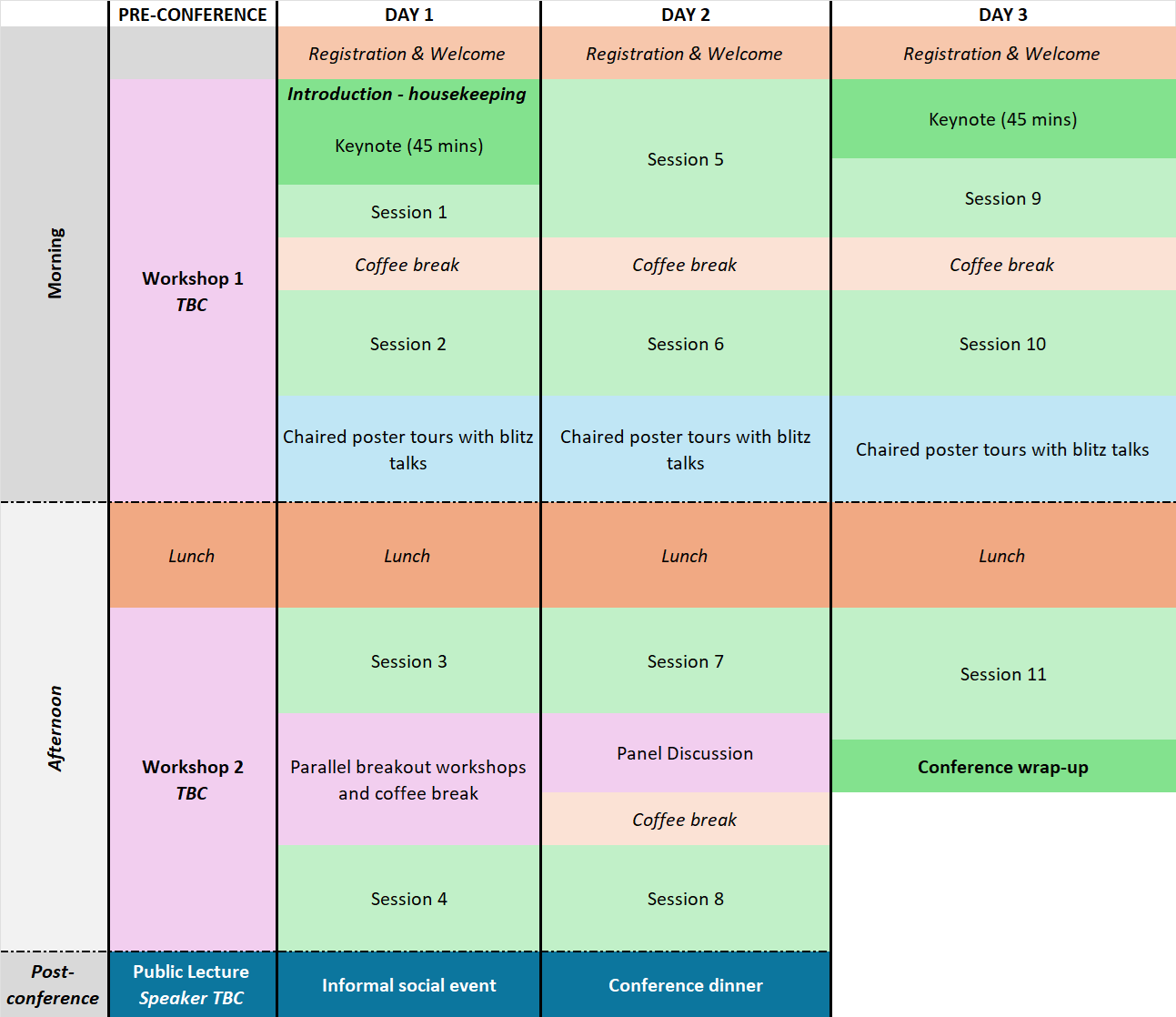
What can you expect from attending ICSIH7?
Community
ICSIH is known for its welcoming and supportive atmosphere. Many delegates describe the event as feeling more like a reunion than a traditional conference, offering an ideal setting for meaningful discussion and connection.
Blitz Poster Sessions
Our rapid-format poster sessions provide an opportunity for focused, face-to-face conversations with researchers about their current projects and emerging findings.
Panel Discussions
Panels will feature academics and practitioners from diverse disciplines, examining key issues and future directions in social identity and health.
Breakout Workshops
Specialist-led workshops will offer in-depth exploration of a range of relevant topics, supporting both theoretical insight and practical application.
Pre-Conference Workshops
This year includes an additional day of pre-conference workshops, featuring sessions on best practice in patient and public involvement and on the practical joys and challenges of conducting applied health research.
See abstracts for our workshops and speakers below:
Alcohol and other drug (AOD) use and recovery are fundamentally processes of identity change, yet this insight remains underutilised in research and practice, where biological and psychological frameworks continue to dominate. This workshop explores a social identity framework for understanding AOD use across its full cycle, positioning group memberships and shared identities as powerful resources for explaining and addressing initiation, escalation, dependence, and recovery.
Read More
Climate and environmental change are reshaping not only thephysical conditions in which people live, but also their sense of identity, belonging, and collective meaning. Flooding, heatwaves, relocation, and other forms of environmental disruption can threaten valued social identities, with important consequences for wellbeing, anxiety, trust, and engagement. At the same time, shared identity can provide a powerful source of resilience and collective coping. Despite this, identity-based processes are rarely centred in climate adaptation research or practice.
Read More
Measuring social identity in applied health research is both essential and challenging. Standardised categories – often required for analysis and comparison – can reduce complex, fluid, and context-dependent identities to fixed variables. In practice, measures of social identity are often difficult for participants to interpret, may rely on constructs that do not resonate with everyday experience, and are sensitive to context and question framing. They can struggle to capture change over time, making them difficult to use as before-and-after outcome measures, and may sit uneasily alongside key principles of social identity approaches to health, which emphasises fluidity and context.
Read More
This workshop will explore current knowledge and emergingdevelopments in social curse research, with particular attention to context oftrauma, and inequalities.
Title
“The Power of Social Connection”
Abstract
Is having a “beer with mates” better for your health than drinking alone? Is being married good for you? Are we all getting lonelier? Will doctors of the future offer appointments in groups? Should the NHS prescribe social connection? What does AI and social media use mean for human relationships?
Bio
Dr Fallows is an obesity and lifestyle medicine expert working as an NHS GP where she has led group consultations to support remission of chronic diseases.

Abstract
Addiction is, in part, a psychosocial process shaped strongly by social identity. In this talk, Professor Dan Frings will examine how social identities influence the addiction journey—from initiation and active use through to cessation and recovery. Drawing on frameworks such as the Social Identity Model of Cessation Maintenance (SIMCM) and the Social Identity Model of Recovery (SIMOR), we will explore how identity shapes the way people interpret and respond to their experiences of addiction.
Bio
Dan Frings is Professor of Social Psychology at London South Bank University, where he also serves as Associate Dean for Research and Innovation in the College of Health and Life Sciences. Dan’s research focusses primarily on social identities, in particular how they interact with health and wellbeing. His work on social and identity and addiction explores how different identities work at explicit and implicit levels of cognition, and how the interplay of identities impacts how we both perceive the world and enact behaviours. He has applied similar lenses in the realms of mental health, spirituality and higher education. Dan also has a track record of randomised controlled trials and service evaluations in diverse fields, from smoking cessation interventions to AI in cardiac diagnostics in NHS settings, and is a practicing psychotherapist.

Abstract
Psychedelics are increasingly legitimised as validtherapeutic options. As their medical use expands, their therapeutic benefitsare often linked to individual factors—whether biological, psychological, orspiritual. Recently, however, greater emphasis has been placed on therelational and communal dimensions of psychedelic healing.
Bio
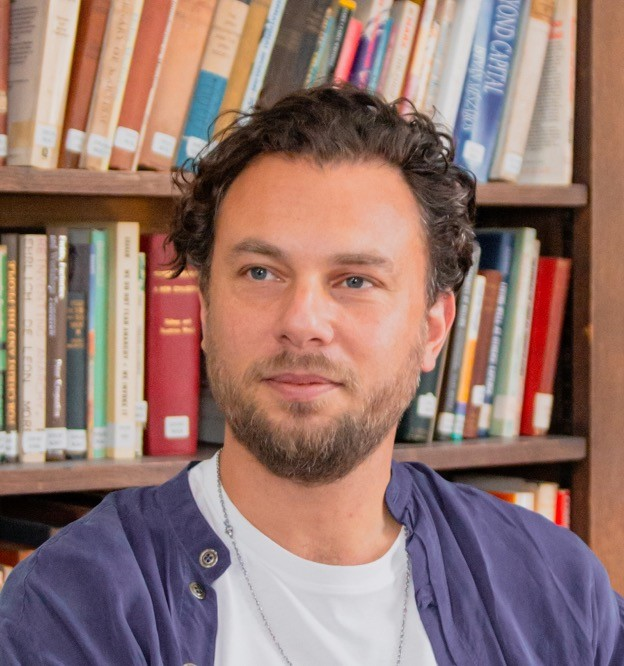
Leor Roseman is a Senior Lecturer and psychedelic researcher at the University of Exeter. His interdisciplinary work spans neuroscience, psychology, phenomenology, anthropology, and conflict resolution, utilising methods like fMRI, quantitative, qualitative, microphenomenology, ethnography, and participatory research. He previously worked at the Centre for Psychedelic Research, Imperial College London, under the guidance of Prof. Robin Carhart-Harris and Prof. David Nutt, contributing to the emerging research field. Leor co-developed and teaches in Exeter’s MSc programme – Psychedelics: Mind, Medicine and Culture. Additionally, he co-founded Ripples, a non-profit organisation focused on peacebuilding through psychedelics.
Morning (10:00 – 12:30): A survivors guide to applied health research
Delivered by Dr Stefan Schilling, University of Exeter
Social identity research generates powerful theoreticalinsights into health, yet translating these into funded, implementable interventions remains a significant step; one that postgraduate and early-career researchers receive little structured guidance on. This 2.5-hour interactive workshop is designed for scholars ready to move from theory-driven research toward applied health implementation.
Afternoon (13:30 – 16:00): Introduction to Values-led PPIE
Delivered by the PPIE Team at the National Institute of Health Research Applied Research Collaboration South West, in partnership with public collaborators
In this 2.5-hour workshop, you will learn what values-led PPIE is, and why being values-led is so important. You will also hear from public collaborators about their experiences of being involved in research ,hear examples of projects that have incorporated PPIE, learn about the practicalities involved, as well as have the opportunity to ask questions.